
Buying a Home in Oakville: A Step-by-Step Buyer’s Guide
Your next chapter starts with a home that fits your life and a plan that makes sense.
Buying a home is about more than finding a property you love. It is about understanding what you can comfortably afford, choosing the right neighbourhood and knowing what to check before making a commitment.
Whether you are a first-time homebuyer, moving into a larger home or relocating to Oakville, Burlington, Mississauga or elsewhere in the GTA, preparation helps you make decisions with greater confidence.
At Jay Cares Real Estate, we believe you should understand both the opportunities and the responsibilities that come with your purchase. Here is where to begin.
Before browsing homes for sale in Oakville, speak with a mortgage professional about your financing options.
A mortgage pre-approval can help establish your potential borrowing range, but the amount you qualify for may be different from the amount you feel comfortable spending.
Build your budget around your everyday life. Along with mortgage payments, consider:
Property taxes and home insurance.
Utilities, internet and other household expenses.
Condominium fees, where applicable.
Maintenance, repairs and future replacements.
Commuting, childcare and other ongoing commitments.
Leave room for savings and unexpected expenses. A home should support your lifestyle without stretching every part of your budget.
Remember: a pre-approval is not final mortgage approval. Your lender will still need to review the property and confirm that its lending requirements are met.

Your down payment is only one part of the money required to purchase a home.
Your minimum down payment depends on the purchase price, financing and applicable lending rules. Your mortgage professional can confirm the amount required for your circumstances.
The deposit is money paid according to the terms of your Agreement of Purchase and Sale. It generally forms part of your total down payment rather than being an additional purchase cost.
Because the deposit may be due shortly after an offer is accepted, confirm that the funds will be accessible when required.
When budgeting for buying a home in Ontario, allow for costs such as:
Ontario land transfer tax.
Legal fees, disbursements and applicable title insurance.
Home inspection and any lender-required appraisal fees.
Closing adjustments, such as prepaid property taxes.
Applicable taxes and financing-related charges.
Moving expenses and immediate repairs.
If you are comparing Oakville with Toronto, ask your lawyer to explain the difference in land transfer taxes: Toronto has a separate municipal land transfer tax in addition to the provincial tax.
Request a property-specific closing estimate early so you can plan around the full cost of your purchase.
You can change paint colours and countertops. Changing your commute or the surroundings of your home is much harder.
When deciding where to buy in Oakville, think about how you want an ordinary weekday to feel.
Do you want to walk to everyday essentials? Be near trails? Have convenient access to a GO station? Prefer a quieter residential street or a more active setting?
Your shortlist might include West Oak Trails, Glen Abbey, River Oaks, Bronte, Kerr Village or Joshua Creek. Compare individual streets and properties rather than assuming every home within a neighbourhood offers the same experience.
Before making a decision:
Try the commute at the time you would normally travel.
Visit the area during the day and evening.
Check parking, traffic and nearby sources of noise.
Explore parks, shopping and community amenities.
Review nearby development applications and planned construction.
If schools are part of your decision, verify the specific property address directly with the relevant school board. A nearby school is not necessarily the assigned school, and boundaries or program availability can change.

The right home is not always the largest one within your budget.
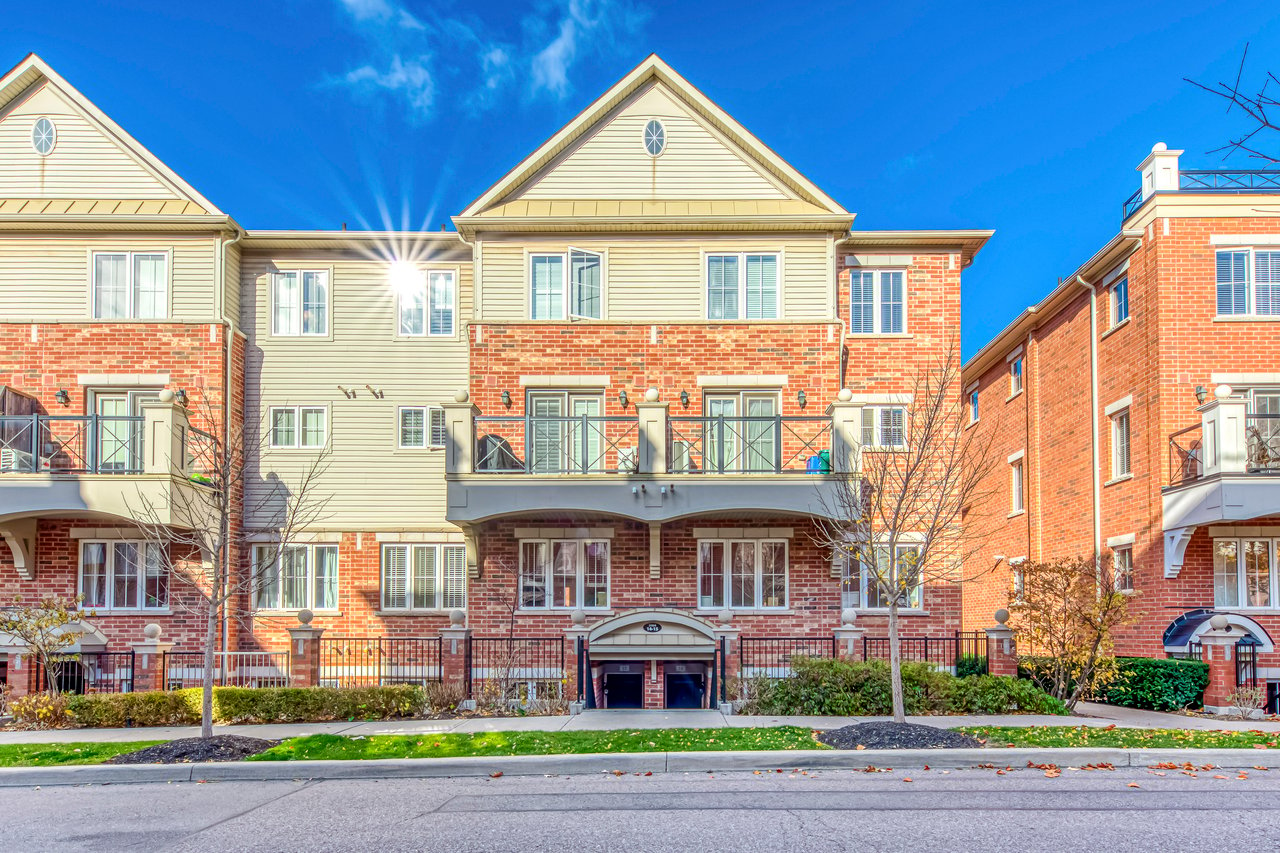
A detached home may offer more space and privacy, while a townhouse or condominium may suit buyers who prefer a different balance of cost, space and maintenance.
Pay attention to the ownership structure. A townhouse may be freehold or part of a condominium corporation, and some properties involve additional shared-property arrangements.
For a condominium purchase, understand:
What the monthly fees cover.
Which maintenance responsibilities belong to you.
Rules affecting pets, parking, renovations and rentals.
The corporation’s financial position and reserve fund.
Existing or potential special assessments.
Have your lawyer review the status certificate and related documents within the time allowed by your agreement.
For freehold properties, consider the condition and likely replacement timing of major components such as the roof, furnace, air conditioning and windows.
A beautifully presented home can make a strong first impression. Your viewing should also help you assess how the property functions.
Look at:
Layout, room dimensions and usable storage.
Natural light and privacy.
Signs of moisture or water damage.
Heating, cooling and ventilation.
Exterior drainage and visible maintenance concerns.
Parking, access and outdoor space.
If a listing includes a finished basement, separate entrance or additional kitchen, do not assume the space is approved as a legal rental unit. Verify permitted uses and relevant approvals before relying on rental income.
A showing helps identify questions. A qualified home inspector and other appropriate professionals can help investigate them.
Before signing a buyer representation agreement in Ontario, understand who will represent you, which services are included and what obligations you are accepting.
Review the agreement’s duration, geographic area, property scope, termination provisions and any holdover clause.
Ask how brokerage fees are calculated, whether a seller’s contribution would cover them and what you might owe if it does not. Fees are negotiable, and you should understand the arrangement before committing.
Your agent should also review the RECO Information Guide with you and explain the representation relationship.
The asking price is a starting point. An informed offer considers recent comparable sales, the property’s condition and the competition for that particular home.
Your offer also includes more than a price. Important terms may include:
The deposit and closing date.
Financing and home inspection conditions.
A condominium status certificate review condition.
Included appliances, fixtures and other items.
Agreed repairs or other specific requirements.
Conditions can provide time for important checks, depending on how they are written. Understand their deadlines and consequences before signing.
A competitive offer should reflect your financial limits and your understanding of the property. Set those limits before negotiations become emotional.
Once you have a firm agreement, stay in regular contact with your mortgage professional, real estate lawyer and agent.
Your closing preparations will generally include arranging insurance, providing documents, transferring required funds and setting up utilities.
Before taking on new debt, changing employment or making a major financed purchase, speak with your lender. Changes to your financial situation can affect mortgage approval.
If your agreement provides for a final walkthrough, use it to check the property against the terms of your purchase, including agreed inclusions and repairs.
Your lawyer will confirm when the transaction has closed and when you can receive the keys.
Eligible buyers may be able to use programs such as the First Home Savings Account, the RRSP Home Buyers’ Plan or Ontario’s first-time homebuyer land transfer tax refund.
Certain new-home purchases may also qualify for GST/HST rebates.
Each program has its own eligibility requirements. Being considered a first-time buyer under one program does not automatically mean you qualify under another. Confirm the current rules with your lender, lawyer or tax professional before including potential savings in your budget.
Start by reviewing your finances with a mortgage professional. Once you understand your budget and available funds, you can narrow down neighbourhoods and property types with your real estate agent.
The answer depends on your finances, available properties and ability to manage overlapping ownership. Review both scenarios before committing, including financing, closing dates and what happens if your sale or purchase takes longer than expected.
Compare recent sales of similar properties, accounting for location, size, condition, ownership type and other meaningful differences. Broad market averages provide context, but they cannot establish the value of an individual home on their own.
Your priorities deserve to guide your home search—from the first conversation to the day you receive your keys.
At Jay Cares Real Estate, we help buyers explore Oakville, Burlington, Mississauga and the GTA with clear advice, thoughtful property comparisons and support throughout the buying process.
Thinking about buying a home? Contact Jay Cares Real Estate to discuss your budget, preferred neighbourhoods and next steps.
This guide provides general information. Financing, tax programs and legal requirements can change.
buyer resources
From budgeting and choosing a neighbourhood to making an offer and getting your keys - practical guidance from Jay Cares Real Estate for buyers in Oakville and across … Read more

School
How the “Fighting Delays, Building Faster Act, 2025” Will Reshape the Real Estate Landscape in Ontario
Home prices show slight increase
What truly drives Jay Cares is the relationships they cultivate with their clients. More than mere transactions, these connections blossom into friendships that form the cornerstone of their referral network. Jay understand that he is not just in the real estate business; He is in the people business. His mission is clear: to stand by you and assist you in achieving your real estate aspirations.
